Complete Guide to Refrigerator Organization
A well-organized refrigerator saves time, reduces food waste, and keeps your family healthy. Learn the systematic approach to fridge organization that works for busy households.
Why This Matters
For Homemakers
Chaotic fridge makes meal planning difficult, leads to forgotten food and waste
For New Cooks/Renters
Limited fridge space in small apartments requires smart storage solutions
For Efficiency Seekers
Disorganized fridge wastes time searching for ingredients during cooking
Complete Organization System
Step 1: Empty and Clean
Remove everything from the fridge. Check expiration dates and discard old items. Wipe down all shelves and drawers with warm soapy water.
Pro Tip:
Use baking soda and water solution to eliminate odors while cleaning
Step 2: Zone Planning
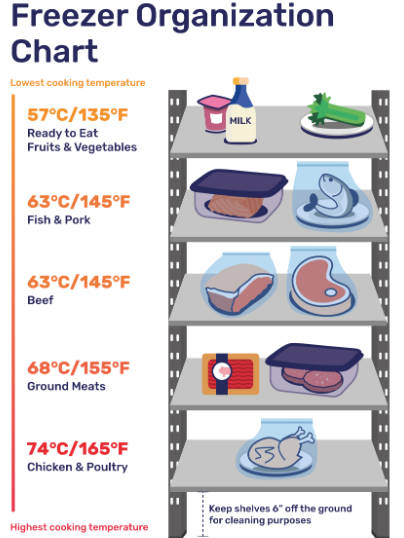
Top shelf: Ready-to-eat foods, leftovers. Middle shelves: Dairy, eggs. Bottom shelf: Raw meat (in containers). Drawers: Fruits and vegetables (separate).
Pro Tip:
Keep raw meat on the bottom shelf to prevent cross-contamination if it drips
Step 3: Use Clear Containers
Transfer items to clear, airtight containers. Label with contents and dates. Stack rectangular containers to maximize space.
Pro Tip:
Use lazy susans for condiments and small jars to access items easily
Step 4: Door Storage Strategy
Use door shelves for condiments, juice, and items that don't need the coldest temperature. Never store milk or eggs on the door.
Pro Tip:
Door is the warmest part of the fridge due to frequent opening
Step 5: FIFO Method
First In, First Out: Place newer items behind older ones. Move older items to eye level for visibility. Check dates weekly.
Pro Tip:
Dedicate one shelf or bin for "eat soon" items that are approaching expiration
What You'll Need
- ✓Clear airtight containers (various sizes)
- ✓Labels and permanent marker
- ✓Lazy susans (turntables)
- ✓Fridge bins or organizers
- ✓Baking soda (for odor control)
- ✓Cleaning cloths and spray bottle