Sponges & Scourers Guide
Understanding different sponge types and when to use each for effective, safe cleaning
Why This Matters
For Homemakers
Challenge: Using wrong sponge scratches surfaces or doesn't clean effectively
Benefit: Match the right tool to each surface for better results without damage
For New Cooks
Challenge: Unsure which sponge to use on different cookware materials
Benefit: Learn safe cleaning methods for all your kitchen items
For Efficiency Seekers
Challenge: Sponges wear out quickly or harbor bacteria
Benefit: Proper care extends sponge life and maintains hygiene
Types of Sponges & Uses
Cellulose Sponges (Regular Kitchen Sponges)
Best For:
- General dishwashing and countertop cleaning
- Wiping down appliances and cabinets
- Non-stick cookware (soft side only)
Replace every 1-2 weeks or when they smell musty
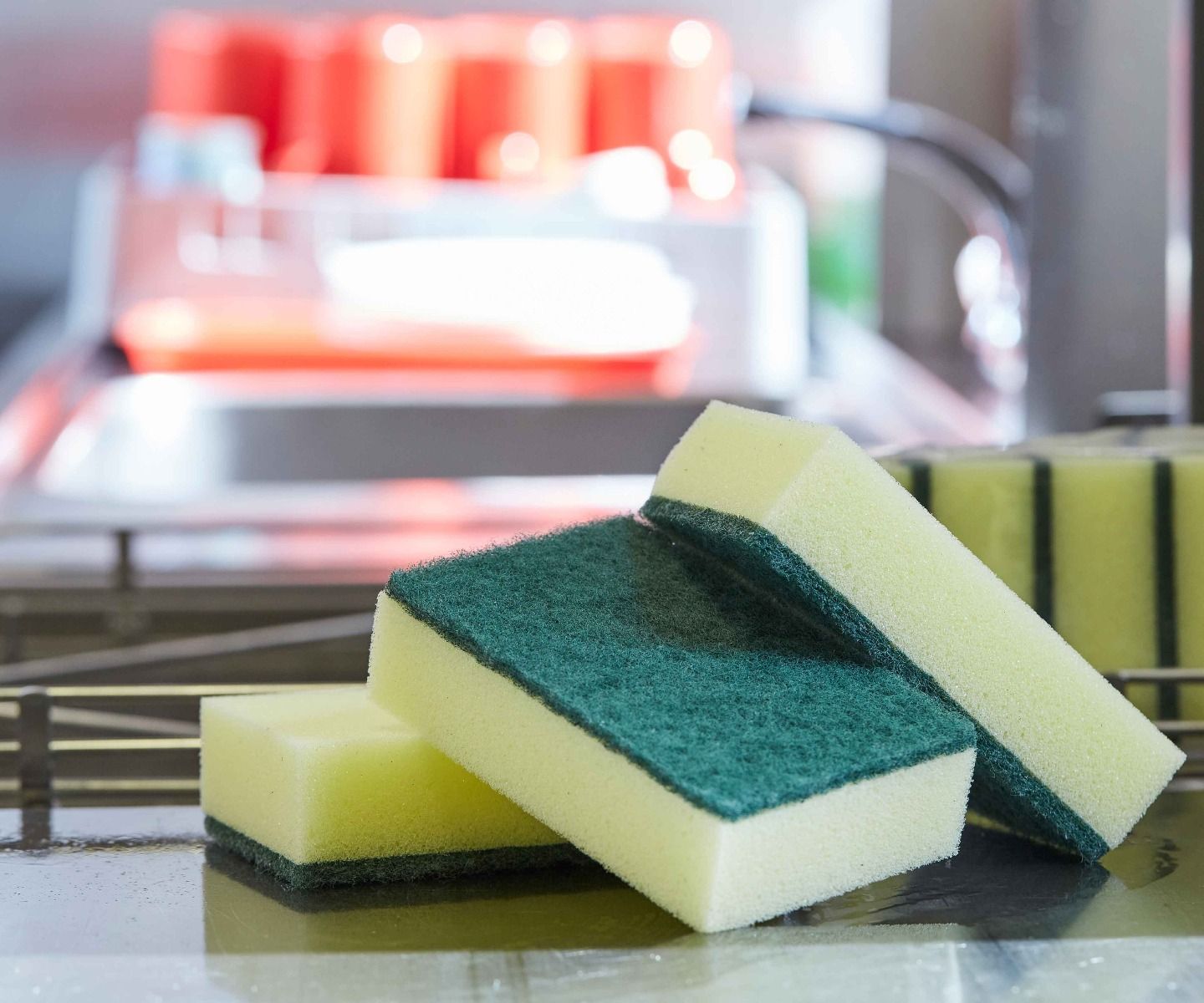
Dual-Sided Scrub Sponges
Best For:
- Stuck-on food on pots and pans (scrubbing side)
- Stainless steel cookware
- Baking sheets and casserole dishes
Avoid scrubbing side on non-stick, glass, or delicate surfaces
Melamine Foam Sponges (Magic Erasers)
Best For:
- Stubborn marks on walls and cabinets
- Soap scum on sinks and counters
- Grease splatters on appliances
Use only with water, no cleaning products needed. Slightly abrasive, test first
Steel Wool & Copper Scourers
Best For:
- Heavily burnt or baked-on food
- Cast iron cookware (with caution)
- Tough grime on ovens and grills
Never use on stainless steel, non-stick, or glass - will scratch!
Silicone Scrubbers
Best For:
- Non-stick pans and delicate cookware
- Produce washing
- Heat-resistant cleaning of warm surfaces
Dishwasher safe, long-lasting, and don't harbor bacteria like traditional sponges
Sponge Care & Maintenance
Daily Care
- Rinse thoroughly after each use to remove food particles
- Squeeze out excess water completely
- Store in well-ventilated area to dry (not sitting in water)
- Use separate sponges for dishes vs. counters/floors
Weekly Sanitizing
- Microwave damp sponge for 1-2 minutes (kills 99% bacteria)
- Or run through dishwasher on hot cycle
- Or soak in diluted bleach solution (1 tbsp bleach per gallon water) for 5 minutes
When to Replace
- Visible wear, tears, or fraying
- Persistent bad smell even after cleaning
- After cleaning raw meat or fish
- Every 1-2 weeks for dish sponges (more often if heavily used)
Pro Tips
- •Color-code sponges: yellow for dishes, blue for counters, green for floors
- •Cut large sponges in half to extend their useful life
- •Keep sponge holder with drainage holes near sink
- •Consider reusable alternatives like Swedish dishcloths for sustainability
- •Never use fabric softener on dish sponges - reduces absorbency